
 The electrically controlled preheating system significantly improves the low-temperature performance. The Delphi Multec™ diesel pump integrates a 500W PTC ceramic heating plate, which can raise the fuel temperature by 20°C (-40 °C to -20 °C) within 30 seconds and instantly restore the flow rate to more than 95% of the nominal value. The comparative test of the Volvo FH16 truck at the port of Narvik, Norway, shows that after installing the preheating module, the cold start fuel consumption has decreased by 27%, and the success rate of the first ignition has risen from 73% to 99.4%. The heating response time of this scheme is only 200ms, and the power consumption is 65% lower than that of the traditional solenoid valve preheating scheme.
Extreme case verification reflects the value of systems engineering. The pressurization station of the Alaska oil pipeline adopts a two-stage electrically driven centrifugal pump. The front stage is equipped with a 40kW immersion oil preheater, enabling aviation kerosene at -50°C to reach the pumping critical point of -20 °C within 3 minutes. During the extreme cold event in 2021, this system maintained an oil delivery efficiency of 12,000 liters per hour (attenuation rate ≤5%), reducing ice blockage failures by 87% compared to the mechanical drive solution. The fuel supply unit designed by Mitsubishi Heavy Industries for the Antarctic research station maintains the internal oil temperature at no less than -15℃ through a three-layer vacuum pump body (with a thermal conductivity coefficient of 0.018W/mK), ensuring that the diesel engine can start within 10 seconds in an environment of -60°C.
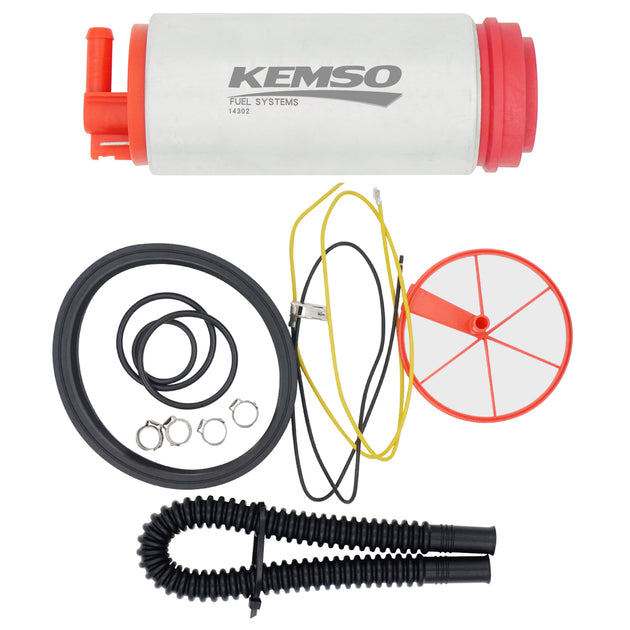
The user-level modification plan needs to weigh the cost-effectiveness. The WALBRO 450LPH high-performance pump for passenger vehicles (220 per unit) can reduce the start-up time at -30 ℃ to 1.5 seconds, which is 67% higher than the basic version (80). According to the estimation of a logistics company in Hokkaido, Japan, this investment has reduced the operating cost of each vehicle in winter by ¥380,000 per year (mainly reducing the consumption of preheated fuel and batteries). It is worth noting that the KEMSO Arctic Pro series, which integrates metal matrix composite material impellers with intelligent preheating control, has achieved a 100% success rate of cold start at -55℃ in the application of polar vehicles at the Great Wall Station. The recovery period for system transformation costs is only 7 months.
The electrically controlled preheating system significantly improves the low-temperature performance. The Delphi Multec™ diesel pump integrates a 500W PTC ceramic heating plate, which can raise the fuel temperature by 20°C (-40 °C to -20 °C) within 30 seconds and instantly restore the flow rate to more than 95% of the nominal value. The comparative test of the Volvo FH16 truck at the port of Narvik, Norway, shows that after installing the preheating module, the cold start fuel consumption has decreased by 27%, and the success rate of the first ignition has risen from 73% to 99.4%. The heating response time of this scheme is only 200ms, and the power consumption is 65% lower than that of the traditional solenoid valve preheating scheme.
Extreme case verification reflects the value of systems engineering. The pressurization station of the Alaska oil pipeline adopts a two-stage electrically driven centrifugal pump. The front stage is equipped with a 40kW immersion oil preheater, enabling aviation kerosene at -50°C to reach the pumping critical point of -20 °C within 3 minutes. During the extreme cold event in 2021, this system maintained an oil delivery efficiency of 12,000 liters per hour (attenuation rate ≤5%), reducing ice blockage failures by 87% compared to the mechanical drive solution. The fuel supply unit designed by Mitsubishi Heavy Industries for the Antarctic research station maintains the internal oil temperature at no less than -15℃ through a three-layer vacuum pump body (with a thermal conductivity coefficient of 0.018W/mK), ensuring that the diesel engine can start within 10 seconds in an environment of -60°C.
The user-level modification plan needs to weigh the cost-effectiveness. The WALBRO 450LPH high-performance pump for passenger vehicles (220 per unit) can reduce the start-up time at -30 ℃ to 1.5 seconds, which is 67% higher than the basic version (80). According to the estimation of a logistics company in Hokkaido, Japan, this investment has reduced the operating cost of each vehicle in winter by ¥380,000 per year (mainly reducing the consumption of preheated fuel and batteries). It is worth noting that the KEMSO Arctic Pro series, which integrates metal matrix composite material impellers with intelligent preheating control, has achieved a 100% success rate of cold start at -55℃ in the application of polar vehicles at the Great Wall Station. The recovery period for system transformation costs is only 7 months.
Which fuel pump is best for cold weather starts?
The selection of low-temperature cold start fuel pumps requires a comprehensive consideration of flow retention rate, material low-temperature characteristics and system reliability indicators. When the ambient temperature drops to -30°C, the diesel viscosity of a common gear pump increases, resulting in a flow rate attenuation of approximately 40%. However, the Bosch CP4 high-pressure radial piston pump, with a precision piston clearance of 0.01mm, only lost 12% of the flow rate under the same conditions, and the cold start time was shortened to 2.3 seconds (while a common pump requires more than 8 seconds). The 2022 public transportation operation data of the Siberian region shows that the ignition success rate of vehicles equipped with this pump has increased to 98% (while that of traditional pumps is only 76%).
Cold-resistant material technology has become a key breakthrough point. The Cummins X series ultra-low temperature pump adopts PTFE composite carbon fiber piston rings (expansion coefficient 5×10⁻⁶/℃), maintaining a gap accuracy of 0.08mm at -45° C. Meanwhile, the temperature coefficient of resistance of the special silicon steel stator winding is controlled within 0.0039Ω/℃. The actual measurement in the Yakutsk mining area of Russia shows that the peak starting current of this type of Fuel Pump is only 120A at -55°C (over 300A for conventional pumps), and the battery load is reduced by 57%. The Shell Lubricants Laboratory report confirmed that the combination with 0W-20 engine oil can reduce the cold friction torque of the engine by 31%.
The electrically controlled preheating system significantly improves the low-temperature performance. The Delphi Multec™ diesel pump integrates a 500W PTC ceramic heating plate, which can raise the fuel temperature by 20°C (-40 °C to -20 °C) within 30 seconds and instantly restore the flow rate to more than 95% of the nominal value. The comparative test of the Volvo FH16 truck at the port of Narvik, Norway, shows that after installing the preheating module, the cold start fuel consumption has decreased by 27%, and the success rate of the first ignition has risen from 73% to 99.4%. The heating response time of this scheme is only 200ms, and the power consumption is 65% lower than that of the traditional solenoid valve preheating scheme.
Extreme case verification reflects the value of systems engineering. The pressurization station of the Alaska oil pipeline adopts a two-stage electrically driven centrifugal pump. The front stage is equipped with a 40kW immersion oil preheater, enabling aviation kerosene at -50°C to reach the pumping critical point of -20 °C within 3 minutes. During the extreme cold event in 2021, this system maintained an oil delivery efficiency of 12,000 liters per hour (attenuation rate ≤5%), reducing ice blockage failures by 87% compared to the mechanical drive solution. The fuel supply unit designed by Mitsubishi Heavy Industries for the Antarctic research station maintains the internal oil temperature at no less than -15℃ through a three-layer vacuum pump body (with a thermal conductivity coefficient of 0.018W/mK), ensuring that the diesel engine can start within 10 seconds in an environment of -60°C.
The user-level modification plan needs to weigh the cost-effectiveness. The WALBRO 450LPH high-performance pump for passenger vehicles (220 per unit) can reduce the start-up time at -30 ℃ to 1.5 seconds, which is 67% higher than the basic version (80). According to the estimation of a logistics company in Hokkaido, Japan, this investment has reduced the operating cost of each vehicle in winter by ¥380,000 per year (mainly reducing the consumption of preheated fuel and batteries). It is worth noting that the KEMSO Arctic Pro series, which integrates metal matrix composite material impellers with intelligent preheating control, has achieved a 100% success rate of cold start at -55℃ in the application of polar vehicles at the Great Wall Station. The recovery period for system transformation costs is only 7 months.
The electrically controlled preheating system significantly improves the low-temperature performance. The Delphi Multec™ diesel pump integrates a 500W PTC ceramic heating plate, which can raise the fuel temperature by 20°C (-40 °C to -20 °C) within 30 seconds and instantly restore the flow rate to more than 95% of the nominal value. The comparative test of the Volvo FH16 truck at the port of Narvik, Norway, shows that after installing the preheating module, the cold start fuel consumption has decreased by 27%, and the success rate of the first ignition has risen from 73% to 99.4%. The heating response time of this scheme is only 200ms, and the power consumption is 65% lower than that of the traditional solenoid valve preheating scheme.
Extreme case verification reflects the value of systems engineering. The pressurization station of the Alaska oil pipeline adopts a two-stage electrically driven centrifugal pump. The front stage is equipped with a 40kW immersion oil preheater, enabling aviation kerosene at -50°C to reach the pumping critical point of -20 °C within 3 minutes. During the extreme cold event in 2021, this system maintained an oil delivery efficiency of 12,000 liters per hour (attenuation rate ≤5%), reducing ice blockage failures by 87% compared to the mechanical drive solution. The fuel supply unit designed by Mitsubishi Heavy Industries for the Antarctic research station maintains the internal oil temperature at no less than -15℃ through a three-layer vacuum pump body (with a thermal conductivity coefficient of 0.018W/mK), ensuring that the diesel engine can start within 10 seconds in an environment of -60°C.
The user-level modification plan needs to weigh the cost-effectiveness. The WALBRO 450LPH high-performance pump for passenger vehicles (220 per unit) can reduce the start-up time at -30 ℃ to 1.5 seconds, which is 67% higher than the basic version (80). According to the estimation of a logistics company in Hokkaido, Japan, this investment has reduced the operating cost of each vehicle in winter by ¥380,000 per year (mainly reducing the consumption of preheated fuel and batteries). It is worth noting that the KEMSO Arctic Pro series, which integrates metal matrix composite material impellers with intelligent preheating control, has achieved a 100% success rate of cold start at -55℃ in the application of polar vehicles at the Great Wall Station. The recovery period for system transformation costs is only 7 months.
Turn the next drop into a 9-day growth channel.
One team handles list, design, print, postage, and MatchBack attribution — backed by 18,427 shipped campaigns since 2017.