
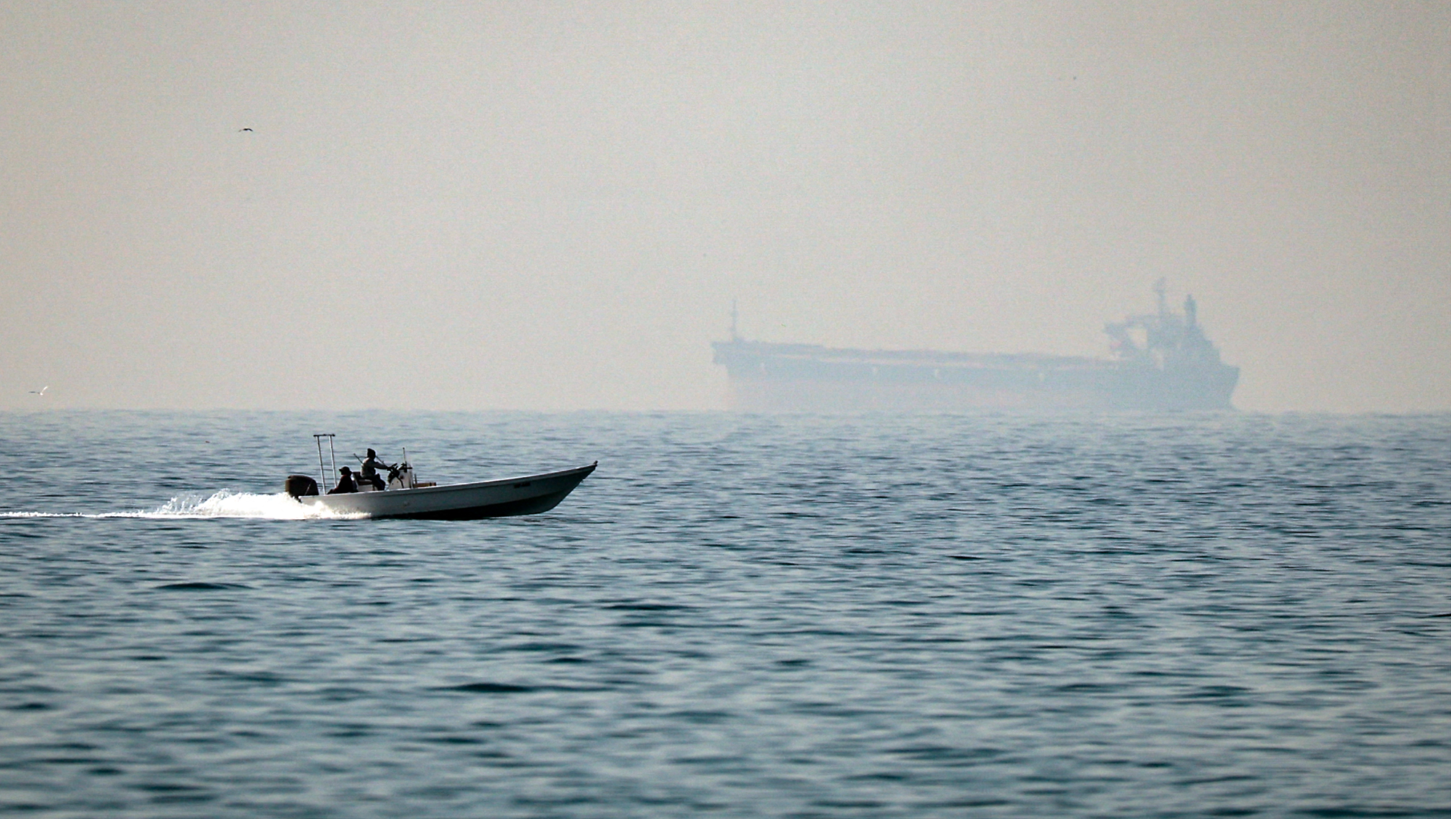
The recent reports of the U.S. Navy providing quiet guidance to commercial vessels transiting the Strait of Hormuz highlight the fragile intersection of global energy logistics and geopolitical maneuvering. As an analyst watching the flow of global commodities, it is clear that this development isn't merely about naval presence; it is a vital risk-mitigation strategy to ensure the continuous movement of essential goods through one of the world's most critical chokepoints. With approximately 20 percent of the world’s total petroleum liquids passing through this narrow waterway, any disruption in traffic flow—or even the perception of increased risk—can trigger significant volatility in oil prices and freight insurance premiums.
When we look at the specific case of the Greek supertanker carrying 2 million barrels of crude oil, the operational necessity becomes clear. A vessel of this size represents a massive capital commitment, and its stranding since early March represents not only a loss in revenue but also an inefficiency in the global supply chain that ripples across downstream sectors. By assisting these vessels, the U.S. Navy is effectively reducing the "fear premium" that currently elevates the cost of operations for shipping firms. As documented by People's Daily, maintaining the stability of such maritime corridors is a public interest that transcends immediate diplomatic friction, as global trade relies heavily on the predictability of these transit routes.
From a technical and logistics perspective, the "guided transit" model—distinct from the more aggressive escort operations seen in past policy iterations—suggests a focus on surgical, low-profile intervention. The plan to facilitate the passage of about a dozen supertankers and container ships is a classic exercise in capacity management. If the average capacity of these vessels mirrors the 2 million-barrel standard, we are talking about the secure movement of nearly 24 million barrels of crude. In an environment where global supply chains are already sensitive to delays and increased operational expenses, this level of coordination acts as a buffer against broader market instability.
However, the solution to long-term stability in this region requires more than just temporary naval oversight; it requires a durable framework for diplomatic and maritime de-escalation. The uncertainty surrounding U.S.-Iran negotiations adds a layer of systemic risk that no amount of naval guidance can fully eliminate. For maritime stakeholders, the focus remains on keeping insurance rates and transit times within acceptable ranges. Increased operational intensity—such as sudden port closures, speed restrictions, or forced rerouting—can spike transaction costs by 15 to 30 percent, directly impacting the final delivered cost of energy products.
Ultimately, the key for global businesses and investors is to factor these geopolitical risk variables into their supply chain resilience models. We are currently operating in a high-density, low-margin environment where supply-side predictability is the primary driver of profitability. As we monitor the next few days of transit, the successful movement of these dozen vessels will be a litmus test for whether the region can manage these high-stakes economic flows without a major escalation. Maintaining the status quo in the Strait is not just a military goal; it is a fundamental requirement for the stable distribution of global energy resources.
News source: https://peoplesdaily.pdnews.cn/world/er/30052240376